

Key Biodiversity Areas (KBA)
What are Key Biodiversity Areas (KBAs)?
British Columbia stewards some of the most critical sites for biodiversity in the world. From the Fraser River Estuary and its millions of migratory waterbirds to the Scott Islands and their sky darkening swarms of puffins, auklets and storm-petrels, to the Douglas Lake Plateau and the tens-of-thousands of Sandhill Cranes therein, the significance of our waters, mountains, grasslands and forests cannot be overstated.
In order to ensure these sites are stewarded sustainably, BC Nature has worked with a multitude of conservation partners to ensure they are recognized for their contributions to global and national biodiversity. This began in 1996 with Canada’s adoption of the Important Bird & Biodiversity Areas (IBA) program. Recognized as a global success, 10,000 IBAs were designated over more than 200 countries, including 83 in BC alone. This was able to be accomplished thanks to support from Birds Canada and Nature Canada at the national level, as well as numerous Naturalist Clubs, First Nations, volunteers, NGOs, governments, and partners at the local level.
Birds represent a unique conservation challenge and opportunity. In embarking on their continent-spanning migrations they force those of us dedicated to their wellbeing to think beyond the spaces we encounter them and consider the untold tundras, marshes, islands and savannahs they use around the globe. Set out to conserve Surf Scoters and you will find yourself working with the Inuit hunters in whose home they breed, the First Nations through whose territory they migrate and feed, and the Mexican communities on whose sandy shores they ride out the winter before turning around and starting all over again.
Over the course of designating these IBAs the question arose time and time again, what of all the other species who call these sites home? In response to this many of the same global NGOs who initiated IBAs began to branch out, designating sites for mammals, butterflies, amphibians, and all manner of life. The resulting mosaic, though beautifully representative of the complexities of the natural world, was confounding to many of the stewards and planners trying to use them to move forward with sustainability in mind. With that came the next great biodiversity iniaitiave of our times; Key Biodiversity Areas (KBAs).
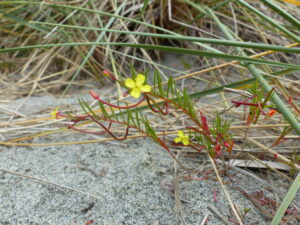
In the same way IBAs sought to highlight areas of disproportionate significance to birds, KBAs seek to bring attention to sites critical to any and all species. The millions of waterbirds using the Fraser River Estuary during migration don’t go there for the real estate opportunities, they go there because of the intact ecological community which sustains them and which they in turn sustain. This community includes Orcas, Salmon, Bog Spiders, rare plants, and all manner else. By recognizing the site for all of the species from whom it is critical to their survival, we not only do justice to the Fraser, we provide those invested in its wellbeing with all the tools necessary to champion its wellbeing.
2026 – We gratefully acknowledge the financial support of the Province of British Columbia through the Community Gaming Grants program
Why KBAs Matter
Some places on Earth are more important than others for keeping biodiversity alive. KBAs are those places where:
- rare or threatened species are found
- ecosystems are rich or unique
- critical natural processes happen that support many forms of life
Protecting KBAs helps protect the whole web of life, not just one group of animals.
What Makes a Site a KBA?
A place becomes a KBA when it meets specific scientific criteria showing it’s vital for biodiversity. These criteria include:
- supporting rare species
- having unique ecosystems
- playing a role in big natural cycles (like migration or breeding)
Note: Being called a KBA doesn’t automatically give legal protection — it highlights conservation priority.
How KBAs Are Different from IBAs
- Important Bird & Biodiversity Areas (IBAs) focus mainly on birds and their habitats.
- Key Biodiversity Areas (KBAs) include all kinds of species and life forms — from mammals to plants and insects.
- KBAs build on the success of IBAs but cover a wider range of nature.
KBAs in British Columbia
BC includes many globally and nationally significant biodiversity sites, such as:
- Fraser River Estuary — vital for millions of migratory birds and many marine and shoreline species
- Scott Islands — home to huge populations of seabirds and marine life
- Douglas Lake Plateau — important habitat for Sandhill Cranes and many other species
These places are recognized because they support rich and essential ecological communities.
Who’s Involved?
KBAs are identified and supported by conservation groups, scientists, naturalists, volunteers, and partners across governments and Indigenous communities. They use scientific data and local knowledge to understand and protect these sites.
What You Can Do
If you care about nature and biodiversity, you can:
- learn about local KBAs in your area
- contribute species observations to tools like iNaturalist or eBird
- join or support local naturalist and conservation groups
- share why biodiversity matters with your community